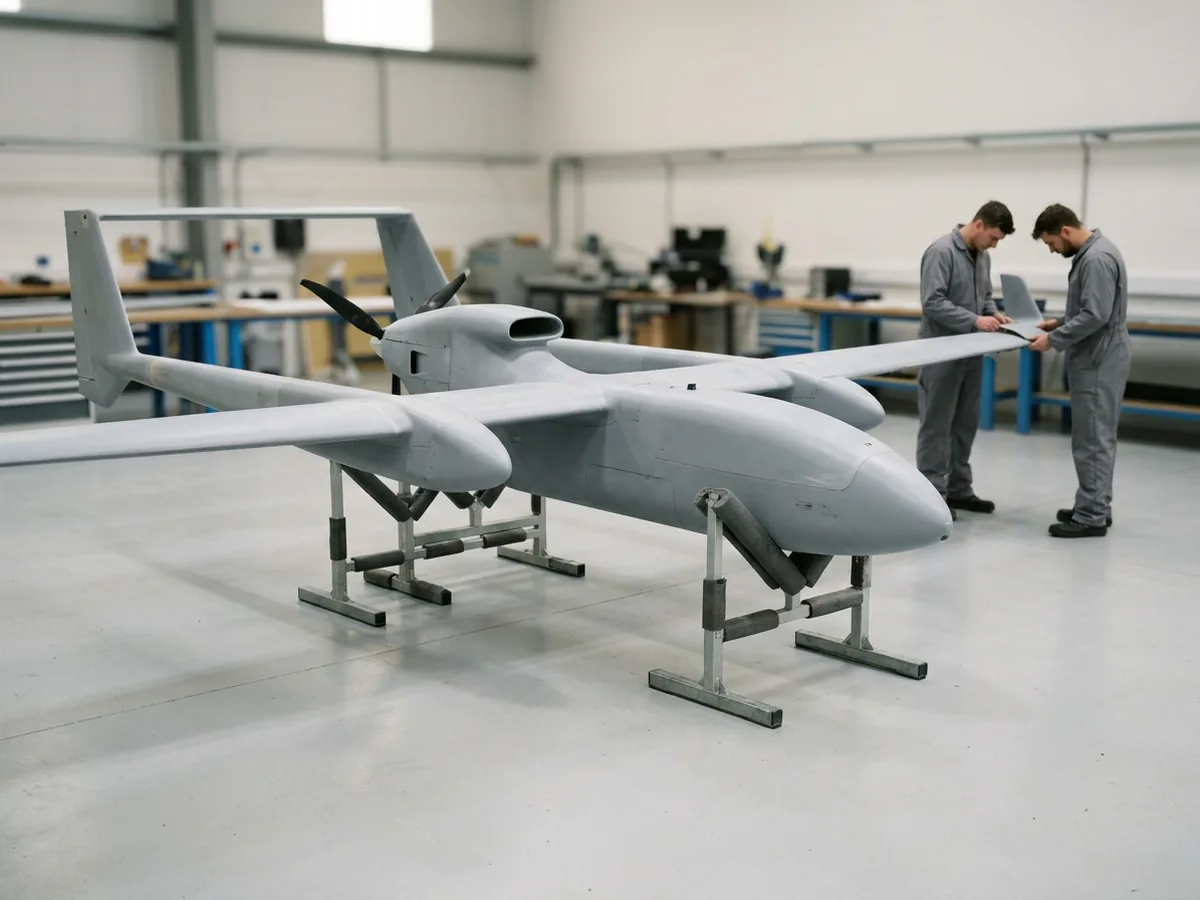
Defense technology commercialization resources start with four routes: SBIR/STTR Phase III, DIU prototype contracts, other transaction agreements and prime contractor supply chains. Which one fits depends on who your next customer is.
This page sits in our library of defense small business resources. Think of it as a map: each route points to the official page behind it, so you can read the rule yourself instead of trusting a summary, and the table further down tells you where to start.
Want a person to talk it through? Members get that from our defense technology commercialization and growth service. One caveat first. No route on this page guarantees a contract, and we can’t promise one either.
Defense technology commercialization after SBIR: what Phase III is
Phase III is work that derives from, extends or completes an earlier SBIR or STTR effort but is paid for by something other than SBIR or STTR money. SBIR.gov puts it plainly: no SBIR/STTR funding is awarded in Phase III. Companies pursue commercialization in the private sector, the federal contracting marketplace, or both.
- Sole-source awards may be made, because competition requirements were already satisfied in Phases I and II, according to AFWERX’s Phase III page. May, not will.
- Any contract type counts, a subcontract included.
- SBIR data rights ride along. The SBA’s own tutorial calls Phase III status the admission ticket to those rights.
Paperwork matters too. DFARS 252.227-7017 asks offerors to identify the technical data or software they plan to deliver with restrictions on government use, so decide what you’d assert before the offer is due. Still at the first phase? Start with SBIR Phase I, or see our SBIR/STTR funding assistance.
Prototype contracts and other transaction agreements
The Defense Innovation Unit, or DIU, buys commercial technology through prototype contracts. It posts solicitations, you send a short solution brief, and DIU asks for a pitch only if it’s interested. By DIU’s own account, any interested Department of War entity then has the authority to award a non-competitive follow-on production contract or agreement after a successful prototype, which is a statement about authority and not a promise that any office will use it. Authority isn’t an award.
Other transaction agreements, or OTAs, are another contracting route you’ll run into. Our post on how small companies join an OTA consortium goes through the steps, and our guide to the first meeting with a DoD program office covers what to bring.

Readiness checks to run before a buyer asks
Three checks are worth doing early. None of them needs a contract.
- Technology: NASA’s readiness scale has nine levels, from TRL 1 (basic principles) to TRL 9 (flight proven). Ask your program office which scale it uses.
- Who can help you build it? State-designated centers in the NIST Manufacturing Extension Partnership advise small and medium-sized manufacturers.
- Export: find out whether the item falls under Commerce’s Export Administration Regulations or the State Department’s International Traffic in Arms Regulations before you quote a customer abroad.
Where the cluster fits
The SoCal Defense Innovation Cluster isn’t a government agency and has no contracting authority. Members get a dedicated point of contact who assesses their needs and routes them to the right expertise. We can’t classify an export item or certify your readiness for you.
Defense technology commercialization resources, by who your next customer is
Find the row for your next customer. Every official page named here was read on November 19, 2026.
| Your next customer | Route to look at | What the official page says |
|---|---|---|
| A DoD program office that already funds your work | SBIR/STTR Phase III | Paid for by sources other than SBIR/STTR, any contract type including a subcontract, and it carries SBIR data rights (AFWERX) |
| A DoD organization with a problem it has posted | DIU commercial solutions | Send a short solution brief; after a successful prototype, an interested Department of War entity has the authority to award a non-competitive follow-on (DIU) |
| A consortium or agency buying prototypes by OTA | Other transaction agreements | Our walkthrough of joining an OTA consortium, from SAM.gov to membership, with the first step in our SAM.gov registration guide |
| A prime contractor | Supplier or subcontract relationship | The SBA’s tutorial on relationships with defense primes, and our post on getting onto a prime’s team, plus the cluster’s prime contractor matchmaking |
| A federal laboratory | A lab partnership | Over 250 federal laboratories exist; about 40 are contractor-operated FFRDCs (SBA tutorial) |
| A commercial customer, here or abroad | Export classification | Learn whether the item is subject to the EAR or to the ITAR before you quote |
Four numbers to know before you pick a route
Each figure comes from the source under it. None comes from us.
450+
MEP service locations that advise U.S. manufacturers
Sources checked November 19, 2026.
Where to go next in the library
Commercialization and growth service
Go-to-market, dual-use and prototype-to-production planning through the cluster’s commercialization and growth service, for eligible members.
Joining an OTA consortium
Our post on how small companies join an OTA consortium goes through the steps, from SAM.gov registration to membership.
Meeting a program office
Start with their problem, not your pitch, in our guide to the first meeting with a DoD program office.
Defense market entry roadmap
Four ways into the defense market, compared side by side, in the defense market entry roadmap.
More from the resource library
- SBIR/STTR resources, the library’s map of the official funding portals
- Getting onto a prime contractor’s team from a Southern California shop floor
- Useful websites and tools for registration, funding and contracting
What founders ask before they pick a commercialization route
Do SBIR Phase III awards need SBIR money behind them?
Not a dollar of it. SBIR.gov states that no SBIR/STTR funding is awarded in Phase III, so the money comes from somewhere else.
Where? AFWERX lists non-SBIR federal funding and non-federal capital as sources, and the work can be a contract, a subcontract or a commercial application, which is why Phase III looks so different from one company to the next.
Can a program office hire us again without a new competition?
Sometimes. AFWERX says sole-source Phase III awards may be made to a company that already holds a Phase I or Phase II award, because competition requirements were satisfied earlier.
May is doing the heavy lifting in that sentence, since the office decides, the money has to exist, and nothing here promises an award, so ask which contract vehicle the office would use.
Does a dual-use product need an export license?
Wrong question, slightly. First ask whether the item falls under Commerce’s Export Administration Regulations or the State Department’s International Traffic in Arms Regulations, because that decides which agency’s rules apply.
BIS publishes a tool to determine what is subject to the EAR, another to classify an item, and export counselors you can contact. The ITAR sit in 22 CFR part 120. We can’t classify an item for you, so get that answer from the agency itself.
Which technology readiness level do I need before I talk to a buyer?
No official level opens every door. NASA’s scale runs from TRL 1 to TRL 9, and a program office may define the levels its own way.
Ask the office which scale and definitions it uses, then describe where your technology sits in those terms, because a level means little to a buyer who reads the scale differently than you do.
Who helps a small manufacturer turn a prototype into a product?
Public programs, for one. NIST’s Manufacturing Extension Partnership has state-designated centers that advise small and medium-sized manufacturers, and whether a given center charges for its services is worth asking it directly.
The cluster also guides eligible members. Membership and cluster-funded services are provided at no cost to eligible participating businesses, subject to program requirements and available resources.
Will the cluster find us a buyer?
We don’t award contracts, and we can’t promise you a buyer. The cluster isn’t a government agency and has no contracting authority.
What members get is a dedicated point of contact who assesses their needs and routes them to the right expertise, and the full list of what the cluster does and doesn’t do sits on our common questions about the cluster page.
Talk through your commercialization path with the cluster
Membership and cluster-funded services are provided at no cost to eligible participating businesses, subject to program requirements and available resources.