
What SBIR and STTR Are
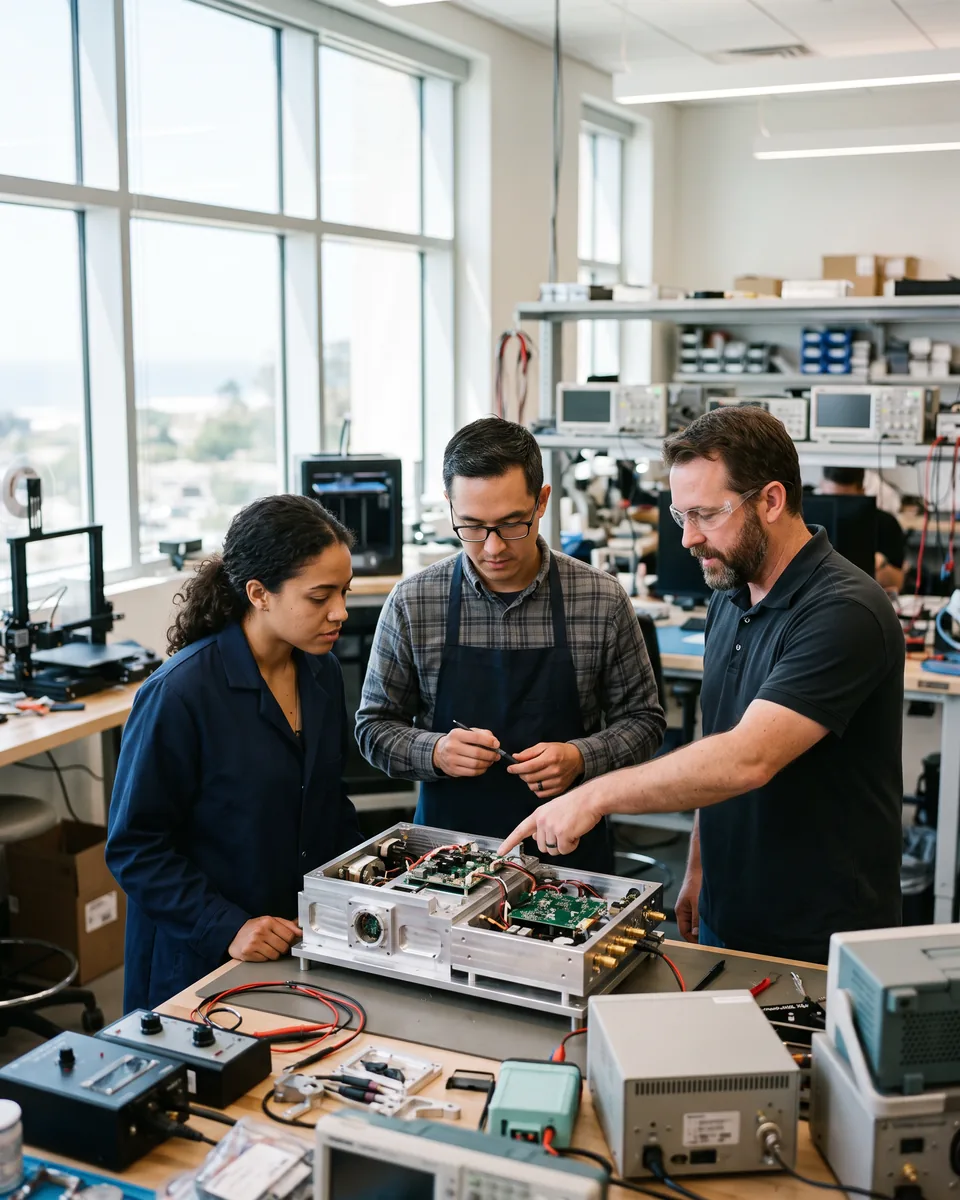
SBIR and STTR are competitive federal programs that fund small businesses to conduct research and development with strong potential for commercialization. The Department of Defense is the largest SBIR/STTR funding agency, distributing over a billion dollars annually across the Army, Navy, Air Force, Space Force, DARPA, and other defense agencies.
SBIR funds small businesses directly. The small business performs the R&D work.
STTR requires a formal partnership between a small business and a nonprofit research institution — typically a university. The small business performs at least 40 percent of the work and the research institution at least 30 percent.
Both programs follow a phased structure:
What Changed in 2026
SBIR/STTR lapsed for six months before being reauthorized on April 13, 2026 under the Small Business Innovation and Economic Security Act. The reauthorization introduced several changes relevant to defense small businesses, including a new $30M strategic breakthrough award tier, per-company proposal caps, and mandatory national security screening requirements.
If you applied before the lapse or are planning your first submission, the rules have changed. We can help you understand what applies to your situation. The SBIR/STTR resources guide lists the official registrations and portals in the order you’ll use them. For the section-by-section changes, see our guide to SBIR reauthorization 2026 for first-time applicants.
How We Help
Our SBIR/STTR assistance is delivered by our team, including specialists from DZ Consulting and Training LLC with direct experience reviewing, shaping, and supporting DoD SBIR/STTR proposals across multiple agencies and technology areas.
Opportunity Matching
We review open DoD solicitations and identify which topics align with your technology, capability, and stage of development. Not every solicitation is the right fit — we help you target the ones where you have a real chance. Our guide to finding, reading and choosing a DoD SBIR topic shows where the open ones are posted. Before topics open, read what to ask a topic author during DoD SBIR pre-release.
Proposal Shaping
A technically strong idea is not enough. We help you frame your solution in terms that resonate with program managers and evaluators — addressing the defense need, the commercialization pathway, and the technical approach in the way the agency actually wants to read it.
Technical Review
Before you submit, we review your proposal for technical merit, responsiveness to the solicitation, and common evaluation pitfalls. This is the step that separates competitive submissions from also-rans.
Submission Support
We help you navigate the DoD SBIR/STTR Innovation Portal, meet submission requirements, and get your proposal in on time and complete.
Phase I to Phase II Transition
Winning Phase I is the beginning, not the end. We help you plan your Phase II strategy from day one and support the transition when the time comes.
Phase III Planning
Phase III is where SBIR technology gets into the hands of warfighters and commercial customers. We help you identify the right path — whether that’s a DoD production contract, a prime contractor partnership, or a commercial market.
Common Questions
Do I need prior SBIR experience to apply for cluster assistance?
No. Many Phase I winners are submitting for the first time. We work with businesses at every stage — from exploring SBIR for the first time to planning Phase III transitions.
How does SBIR differ from a grant?
SBIR and STTR awards are contracts or grants depending on the agency. DoD SBIR awards are typically contracts, not grants. This distinction matters for how the work is structured and reported.
Can you write my proposal for me?
We provide shaping guidance, technical review, and feedback — not ghostwriting. The proposal must reflect your company’s actual capabilities, research, and commercialization plan. We help you make it as competitive as possible.
What agencies fund defense SBIR/STTR?
The main DoD SBIR/STTR agencies include the Army, Navy, Air Force, Space Force, DARPA, the Missile Defense Agency, the Defense Health Agency, the Defense Logistics Agency, and the Defense Threat Reduction Agency. We help you identify which agency and which topic is the right match for your technology.
Is SBIR/STTR assistance free through the cluster?
Yes. SBIR/STTR assistance is a cluster-funded service provided at no cost to eligible participating businesses.
Upcoming SBIR/STTR Events
Need More Than the Program Covers?
For businesses that need extended proposal development support, commercialization strategy, or Phase III transition consulting beyond the cluster program scope, C4 Holding Co and DZ Consulting offer commercial services.