What Commercialization Actually Means
Commercialization in the defense context means more than selling to new customers. It means building the capability to do it repeatedly: a repeatable sales motion, a clear value proposition for different buyer types, the operational infrastructure to scale production, and the financial model to survive gaps between contracts.
For SBIR awardees specifically, Phase III — the transition from prototype to production or field use — is where many companies stall. The gap isn’t usually technical. It’s commercial.
How We Help
Go-to-Market Strategy
We help you figure out who your next buyer is and how to reach them. That means mapping the procurement landscape for your technology, identifying the program offices and primes most likely to buy, and building a plan that reflects how defense acquisitions actually work — not how you wish they did.
Dual-Use Market Development
Many defense technologies have commercial applications that are underexplored. We help you evaluate whether a dual-use strategy makes sense for your technology, what a commercial market entry looks like, and how to sequence defense and commercial revenue development without one starving the other.
Buyer and Channel Development
Getting to the next contract often requires building relationships before a solicitation exists. We help you identify the right program offices, prime contractor supply chain opportunities, and commercial customers, and develop a pipeline before you need revenue from it. Our guide to a first meeting with a DoD program office covers what to ask.
Sales and Business Development Capability
A lot of defense technology companies don’t have a professional sales function. They have engineers who talk to customers. We help you think through what a real business development capability looks like for your stage and size, and build toward it.
Prototype-to-Production Planning
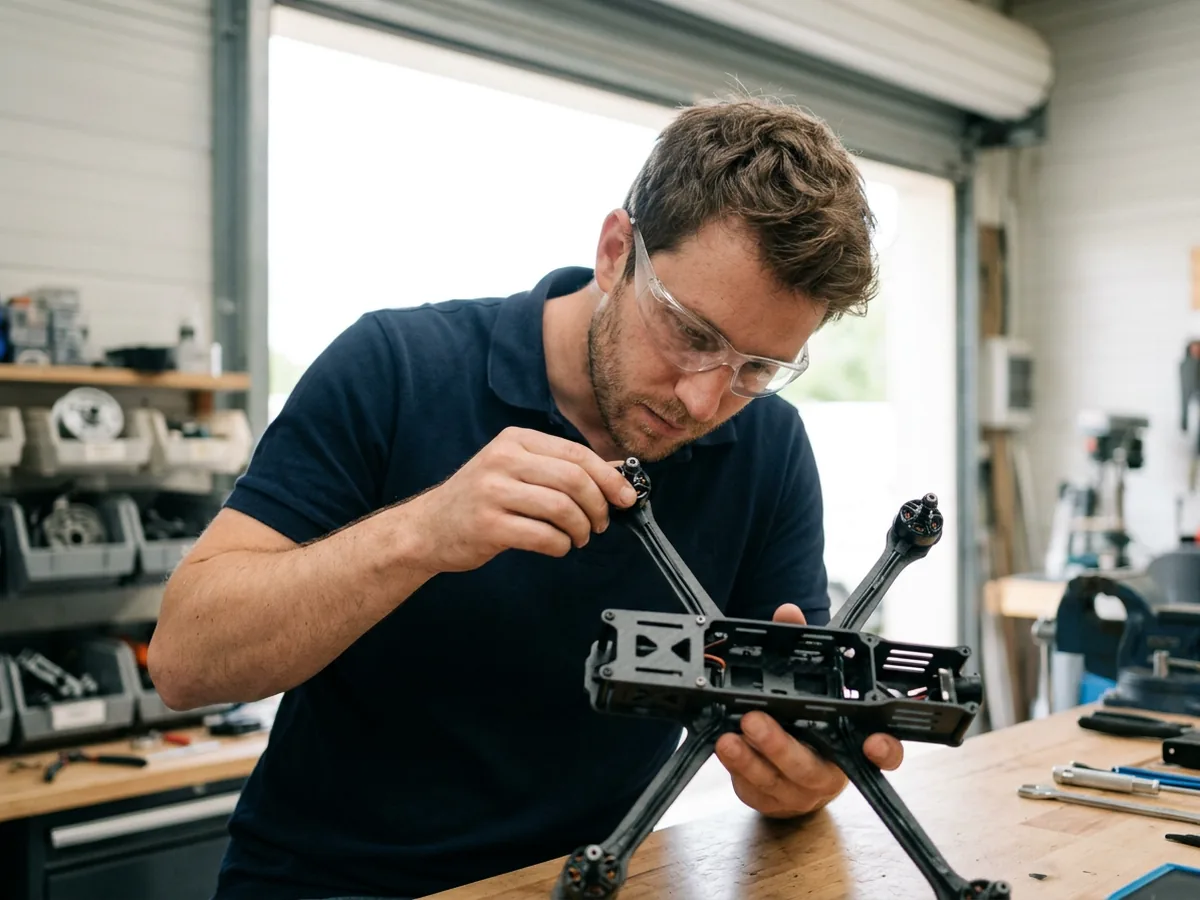
The engineering work required to go from a prototype to a production-ready system is often underestimated. The supply chain development, manufacturing quality requirements, production cost modeling, and documentation needed to support a production contract are substantial. We help you plan for that transition before it becomes a crisis.
Strategic Positioning
How you describe your technology to a program manager, a prime contractor, and a commercial buyer are three different conversations. We help you develop the positioning and messaging for each audience and build the materials to support it.
Common Questions
We already have a defense contract. Why do we need commercialization help?
One contract isn’t a business. It’s a starting point. The question is what comes after it — and a lot of defense technology companies don’t have a clear answer to that. We help you build one.
We’re an SBIR awardee. How do we get to Phase III?
Phase III doesn’t have dedicated SBIR funding. You get there through other contracting mechanisms — program office buys, prime contractor subcontracts, or OTAs. The path usually starts with identifying which program office has a requirement that matches your Phase II results and building that relationship before Phase II ends. We can help you map that.
Do we need to pursue commercial markets?
Not necessarily. Some defense technologies don’t translate cleanly to commercial markets, and forcing a dual-use strategy isn’t always the right answer. What we help you figure out is whether a dual-use path exists, whether it’s worth pursuing, and how to sequence it so it doesn’t distract from your core defense work.
Is commercialization assistance free through the cluster?
Yes. Commercialization and growth assistance is a cluster-funded service provided at no cost to eligible participating businesses.
Upcoming Events
Need More Than the Program Covers?
For companies that need dedicated go-to-market execution, market entry consulting, sales function buildout, or Phase III transition support beyond the cluster program scope, C4 Holding Co and our partner network offer commercial services.