
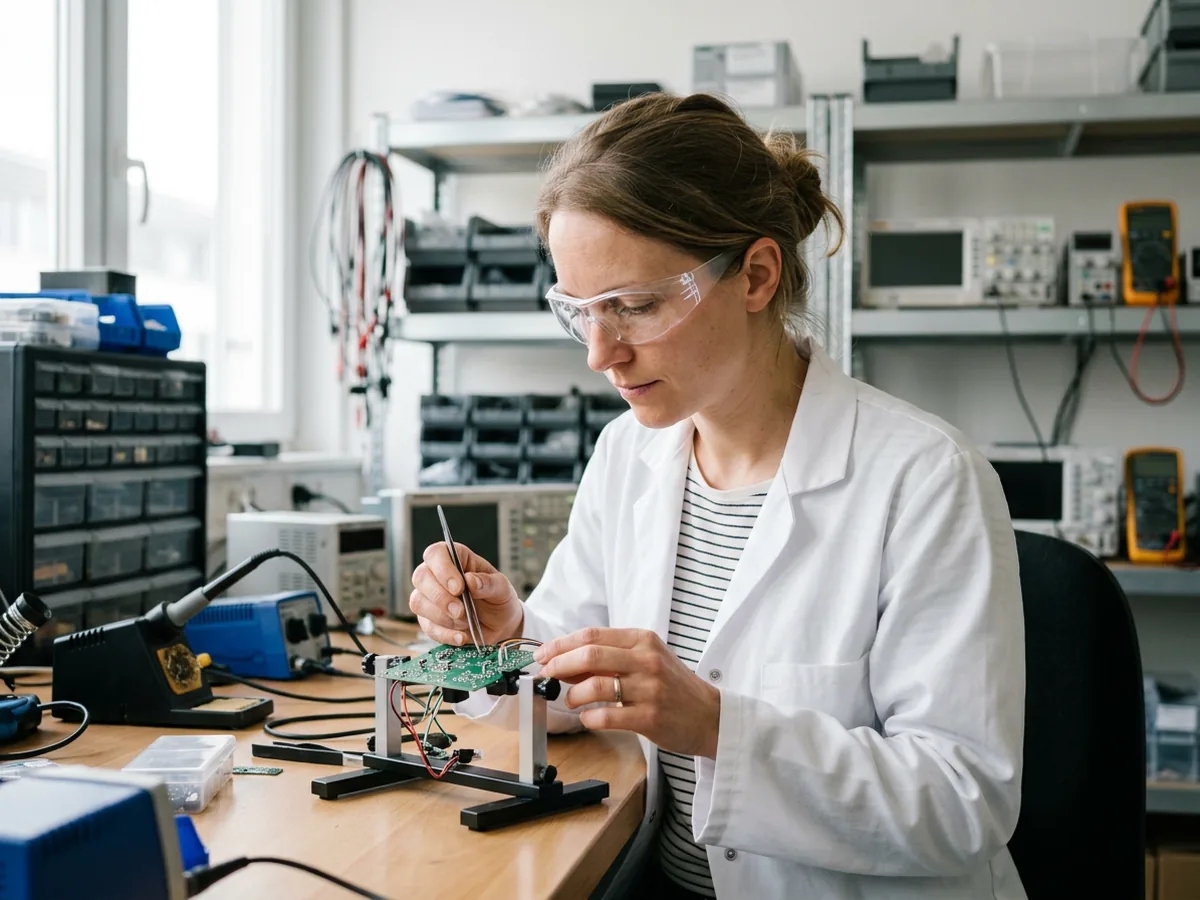
What SBIR and STTR fund
SBIR (Small Business Innovation Research) and STTR (Small Business Technology Transfer) are federal programs that fund early-stage research and development with real commercialization potential. Defense agencies publish solicitations — often called “topics” — that describe problems they want solved. STTR works much the same way, with the added requirement that you partner with a research institution such as a university or federal lab.
The three phases
- Phase I — a short feasibility study to show your concept can work.
- Phase II — a larger effort to build and test a prototype, usually open only to Phase I awardees.
- Phase III — commercialization, where you pursue follow-on contracts or production. Phase III is not funded with SBIR/STTR dollars.
Award amounts and timelines vary by agency and topic, and they change over time. Check the current figures on SBIR.gov before you plan your budget.
The 2026 reauthorization also adds agency proposal limits and a wider security review. Our guide to SBIR reauthorization 2026 for first-time applicants covers what changes for a first submission.
Who is eligible
- A for-profit small business located in the United States.
- More than 50% owned and controlled by U.S. citizens or permanent residents.
- Within the SBA size limits for the program (see the U.S. Small Business Administration).
How to get started
- Register your business in SAM.gov and create a company profile on SBIR.gov. Our SBIR/STTR resources guide lists these registrations in order.
- Browse open topics and find the ones that fit what you already do well. Our guide on how to find and read DoD SBIR topics shows where they are posted.
- Read the solicitation instructions closely — formatting and submission rules are strict, and proposals are rejected for missing them.
- Reach out to the topic’s point of contact during the open question window.
- Write to the evaluation criteria, not just to your technology.
Common mistakes
- Starting too late to do the topic justice.
- Treating commercialization as an afterthought — reviewers care about it from Phase I.
- Proposing work that drifts outside the topic’s scope.
- Missing a compliance or formatting requirement buried in the instructions.
How the cluster helps
The cluster helps members match their technology to open topics, shape competitive proposals, and plan the Phase I to Phase II transition — at no cost to eligible small businesses.
SBIR/STTR Funding AssistanceFree support for Southern California defense businesses
Membership is free for eligible small businesses in Orange, Los Angeles, and San Diego Counties.